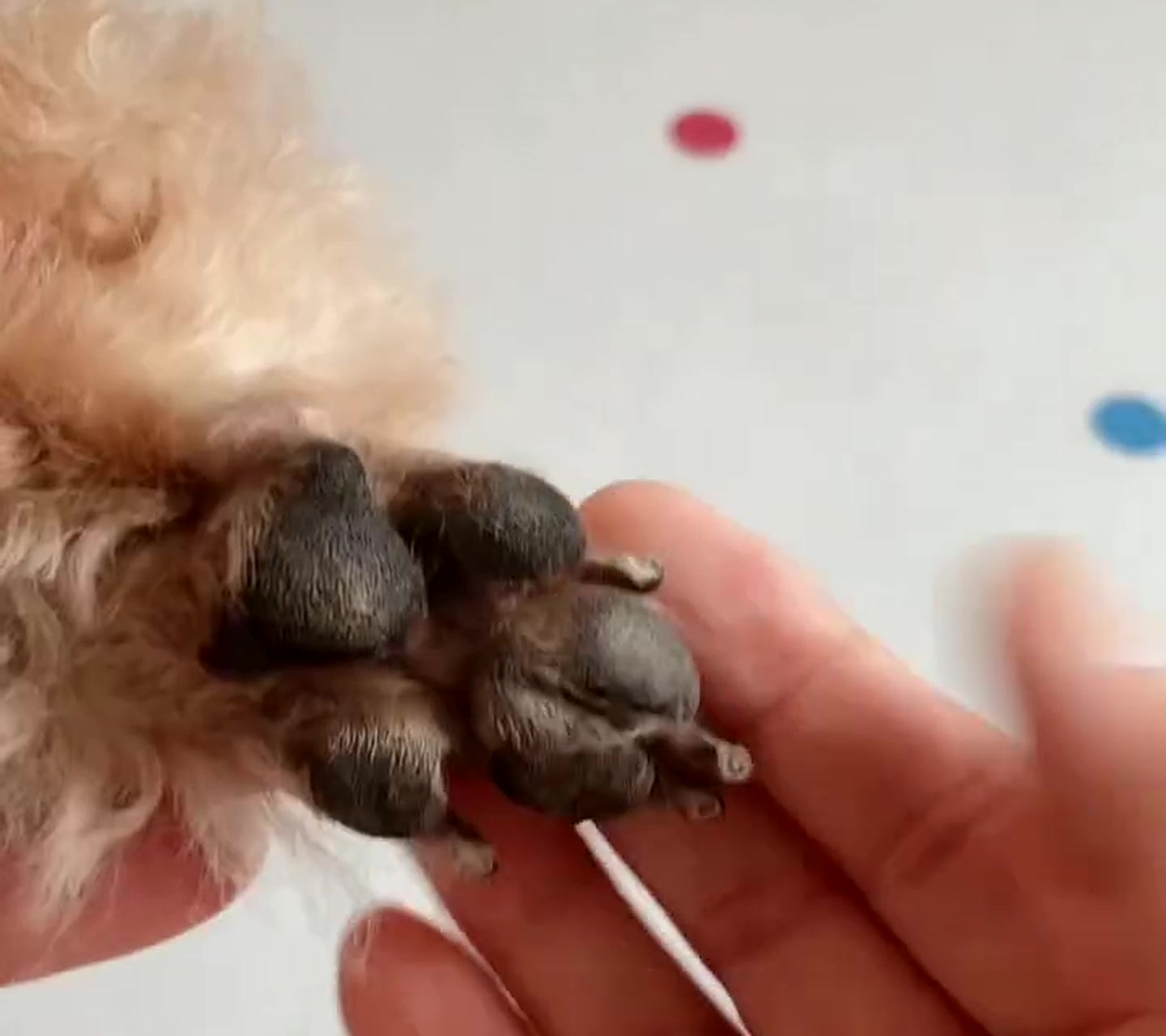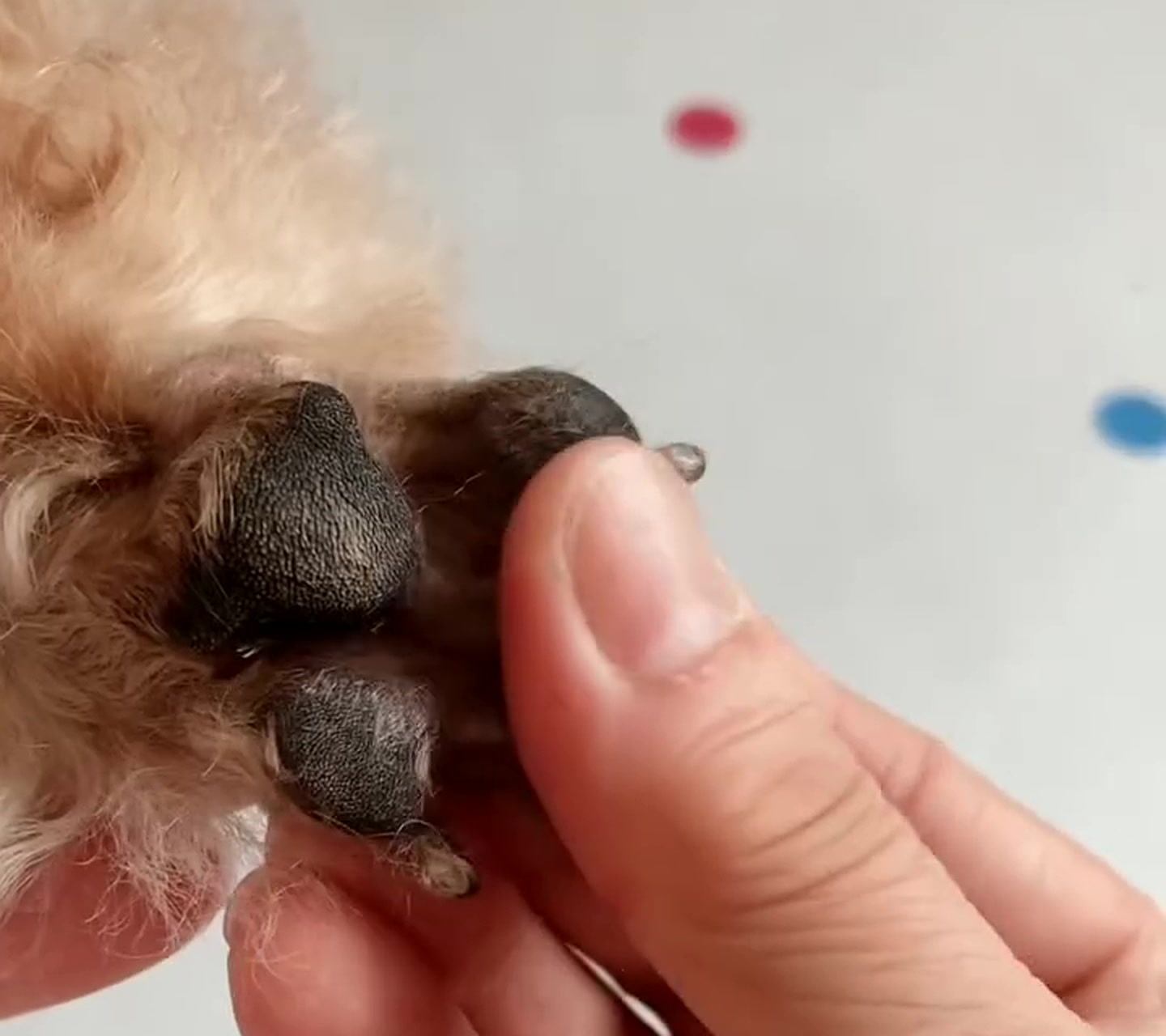
A front paw held open, fur veiling the pad gaps

The mechanics
of paw traction.

A dog grips the floor with its pads — nothing else. When fur grows over them, the grip is gone. Two minutes with the P1 puts it back.

How it works ———

How paw fur removes traction, and how the P1 restores it

Most owners blame the floor, or age. It is usually neither. Here is the chain, from the fur to the slip.

01

The fur grows

Hair keeps growing out of the gaps between the pads.
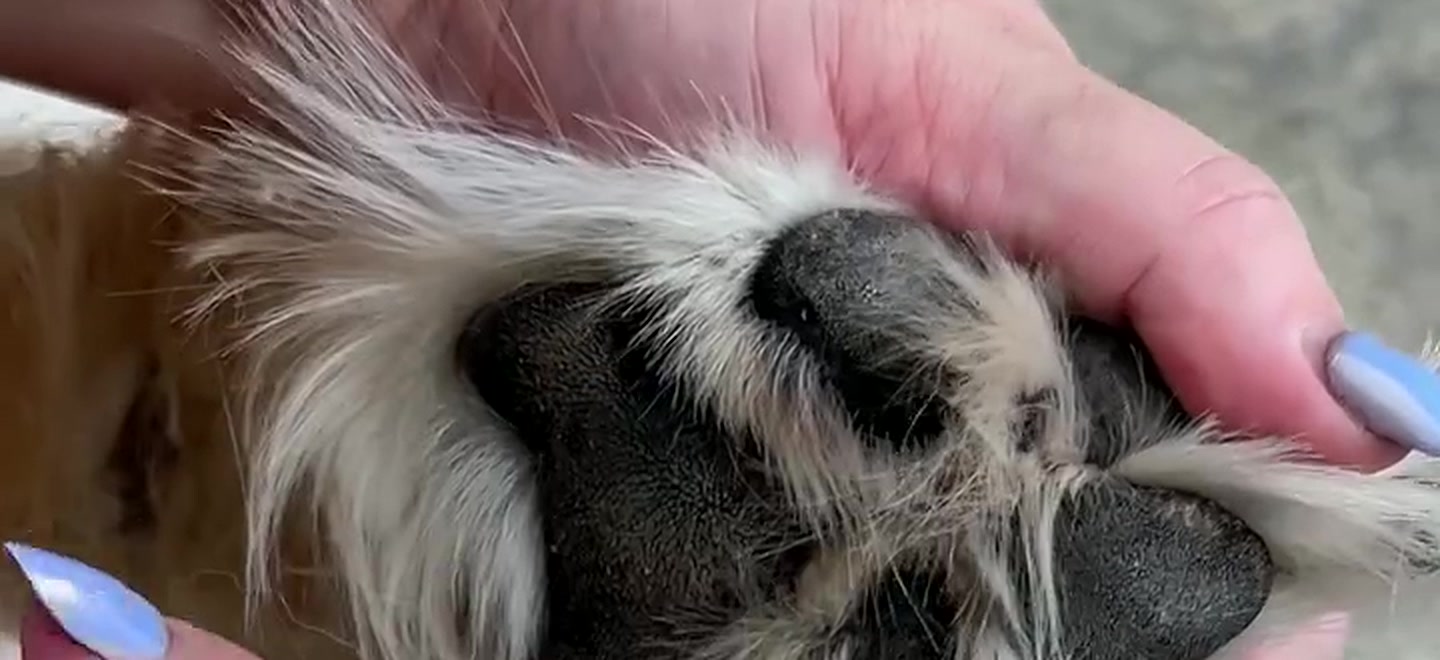
Fur grown out past the pads on a dog’s front paw

On the underside of the paw, hair grows out of the skin between the digital pads and the central pad. Nothing wears it down indoors, so it keeps going — over the pad edges and eventually across the pad faces.
02

The pads lift off

The dog now stands on hair, not on pad.

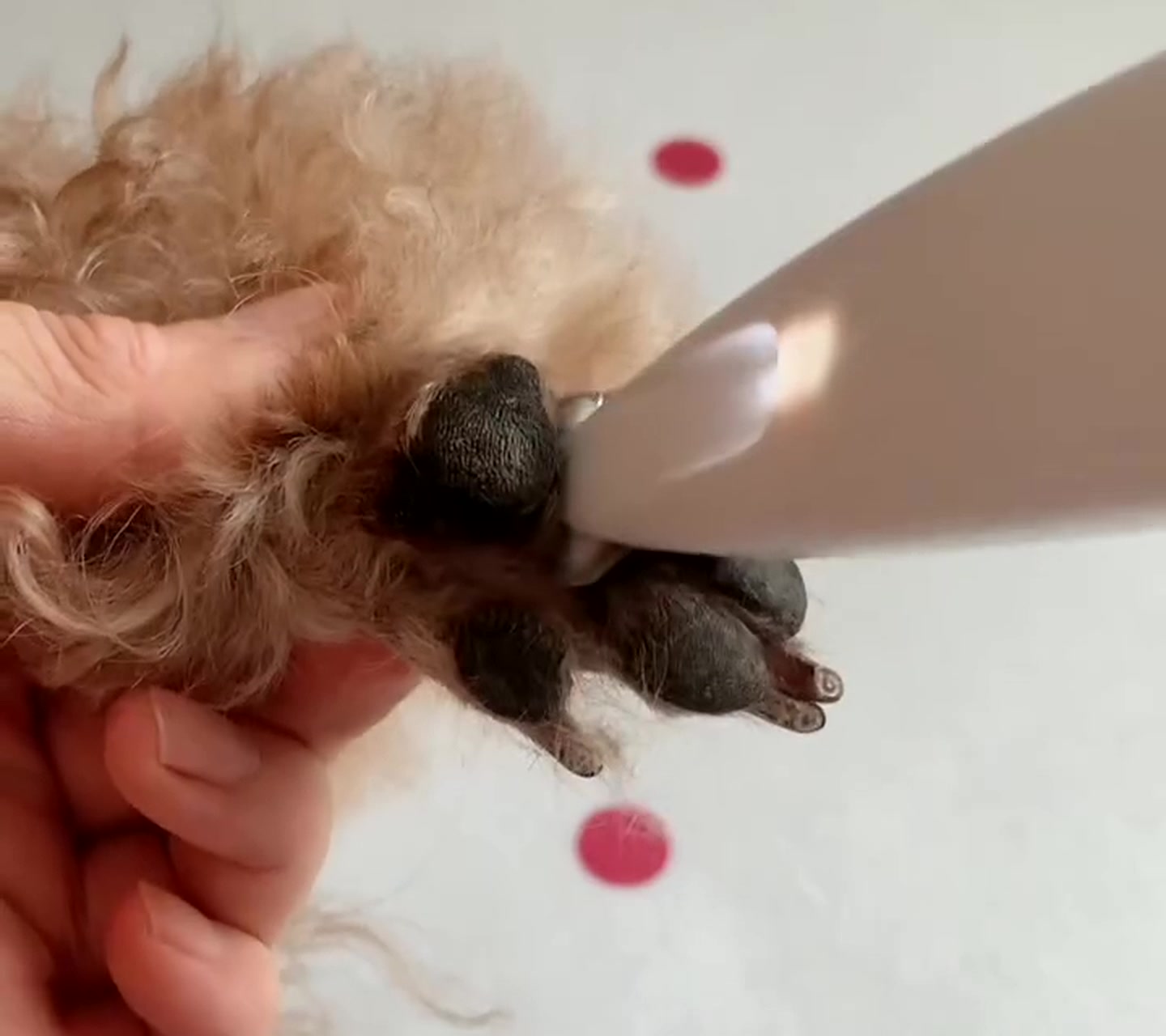
The fur lifted from between two pads

The pad is the only part of the foot with grip. A layer of fur underneath it acts as a spacer: the pad no longer touches the floor, and the contact patch that used to hold the dog is now smooth hair on a smooth surface.

03

The floor stops helping

Hardwood, tile and laminate give nothing back.

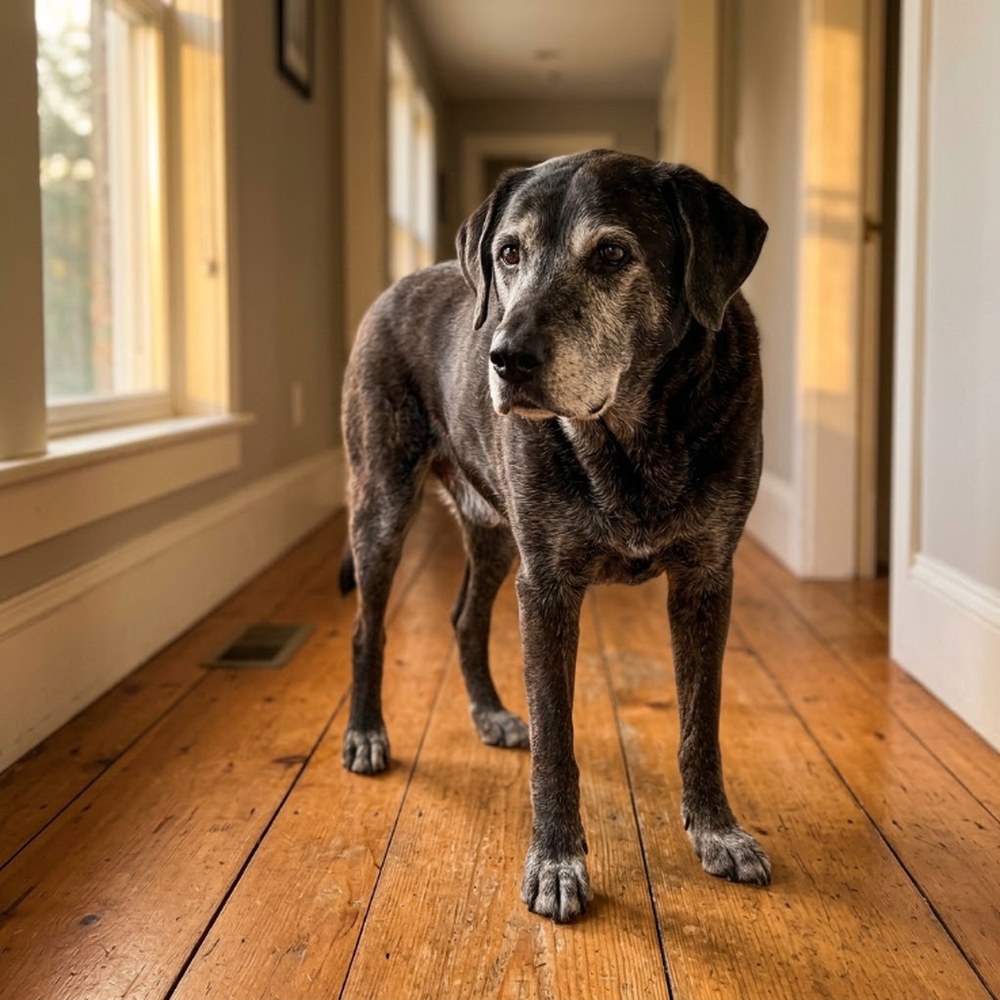
A dog standing square on a hardwood floor

Carpet and grass hide the problem — the fibres still catch. Sealed hard floors do not. This is why the same dog moves normally in the garden and slides across the kitchen.

04

The gait changes

Legs splay, steps shorten, stairs become a decision.

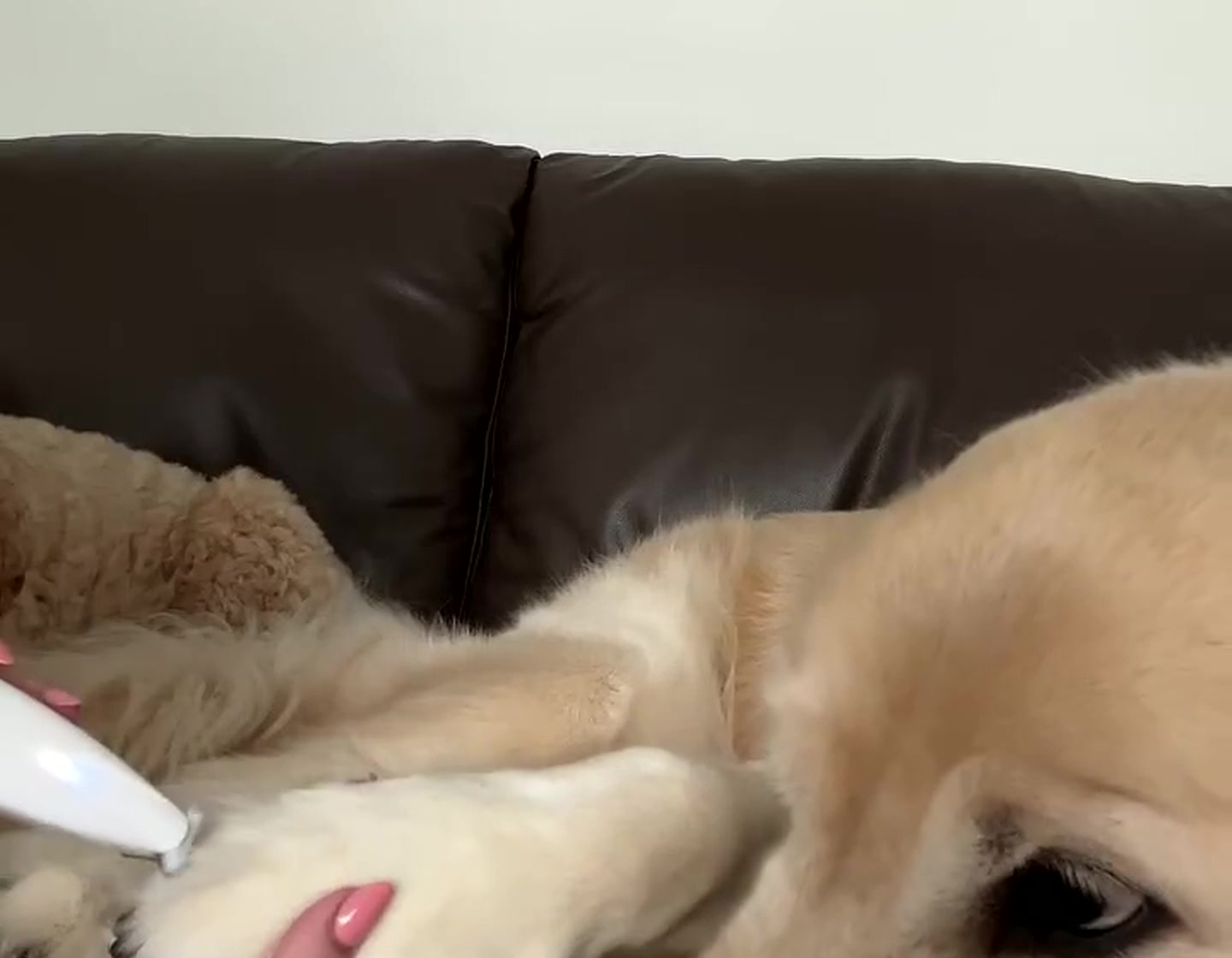
A dog lying still through the trim

A dog that cannot trust the floor stops pushing off it. The legs splay out, the stride goes short and careful, and the dog hesitates at the top of the stairs or before getting up off the floor.

05

The joints take it

Every slip is caught by a leg that was not ready.

Pads clear, the fur taken back level

A foot that slides sideways is stopped by the leg above it, out of position and under load. Younger dogs absorb it. In older dogs, repeated slipping turns into real injuries — and the trigger was fur that took two minutes to remove.

The difference is in the contact.

Traction is a contact problem, not a floor problem. Either the pads reach the ground, or they do not.

Trimmed · pads make contact

Pad meets floor. The dog can push off and turn.

Overgrown · fur makes contact

Fur meets floor. The foot slides out from under the dog.

Two minutes.
One tool, built for the gap.

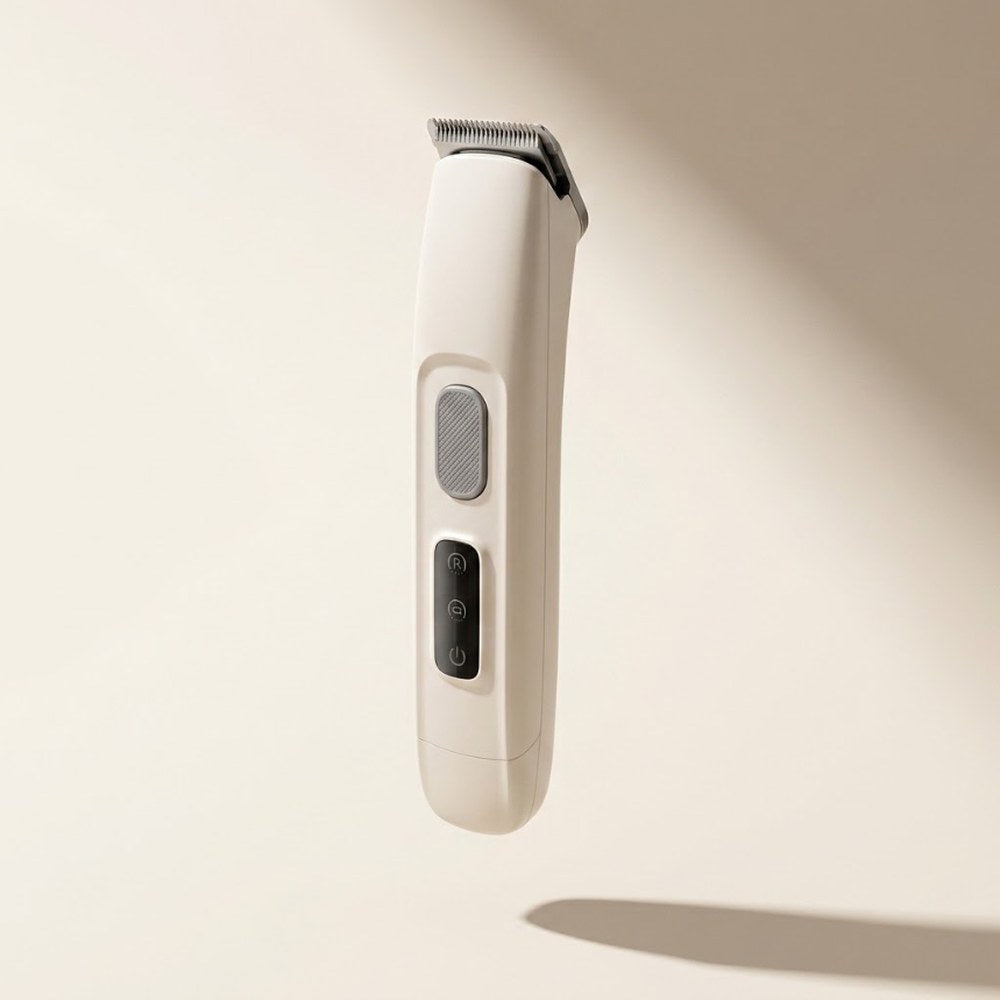
The HEELSIDE P1 Paw Trimmer does one job: take the fur back level with the pads, without the dog objecting to the process.

  • 18 mm head

    clears a whole gap in one pass

  • Ceramic cutter

    cuts fur, not skin

  • Built-in LED

    lights the gap between the pads

P1 Paw Trimmer — annotated
  • 35 dB class

    low noise, low vibration

  • 23 g class

    palm-sized, one-handed

  • USB-C, washable

    rinse the head, charge, done

A groomer charges $20–30
for a two-minute job.

The work itself is small: lift the paw, light the gap, take the fur down level with the pad surface, move to the next foot. It is the trip to the salon that costs — and the fur grows back either way.

Sit down first

Dog on your lap or on its side. Nobody standing.

Light the gap

The LED shows where pad ends and fur begins.

Work in passes

Short strokes across the fur, never into the pad.

Read the full trim guide
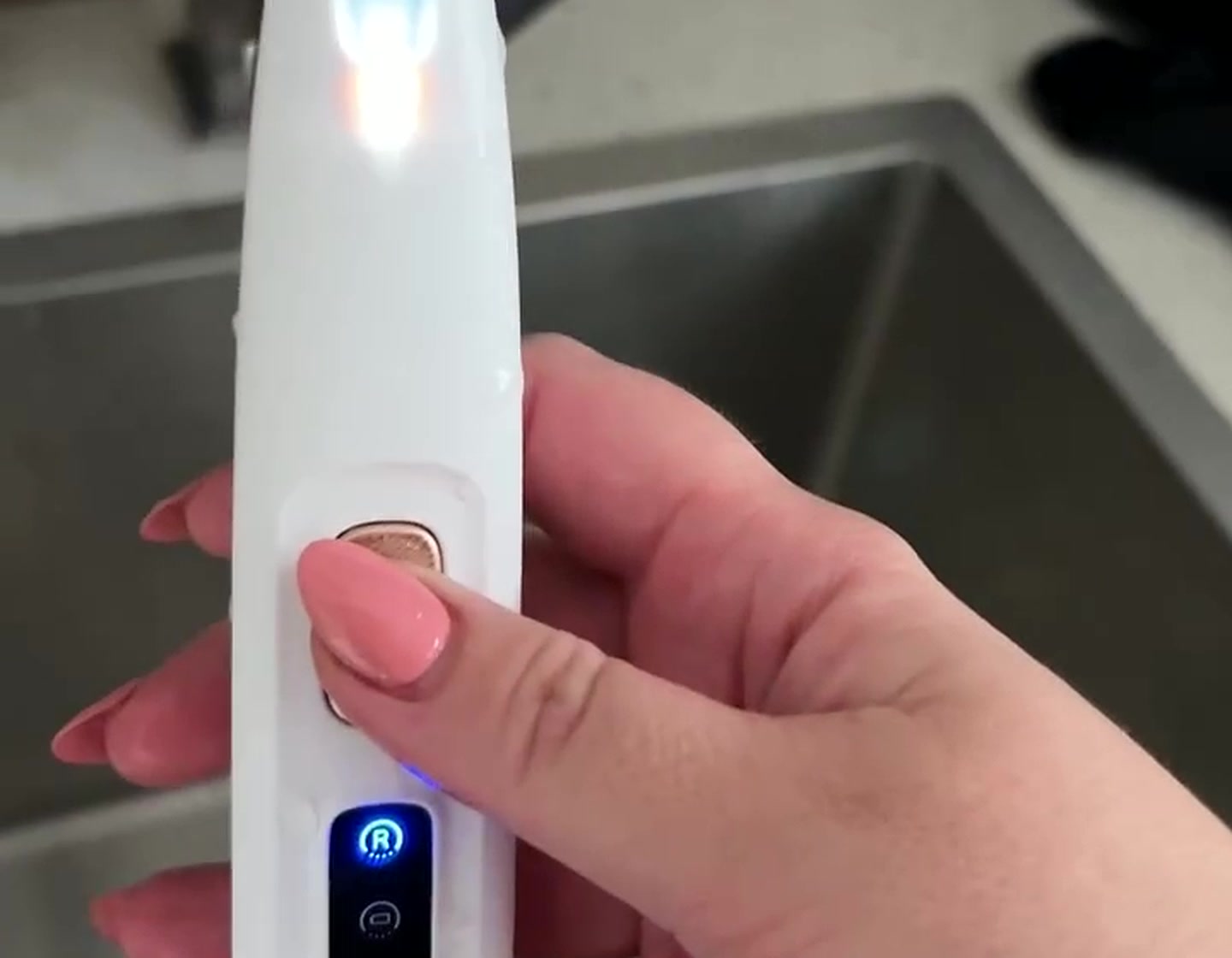
The P1 switched on, LED lit

Steady underfoot. Starting tonight.

HEELSIDE P1 Paw Trimmer — $44, with The Quiet Kit free on every order.

Shop the P1